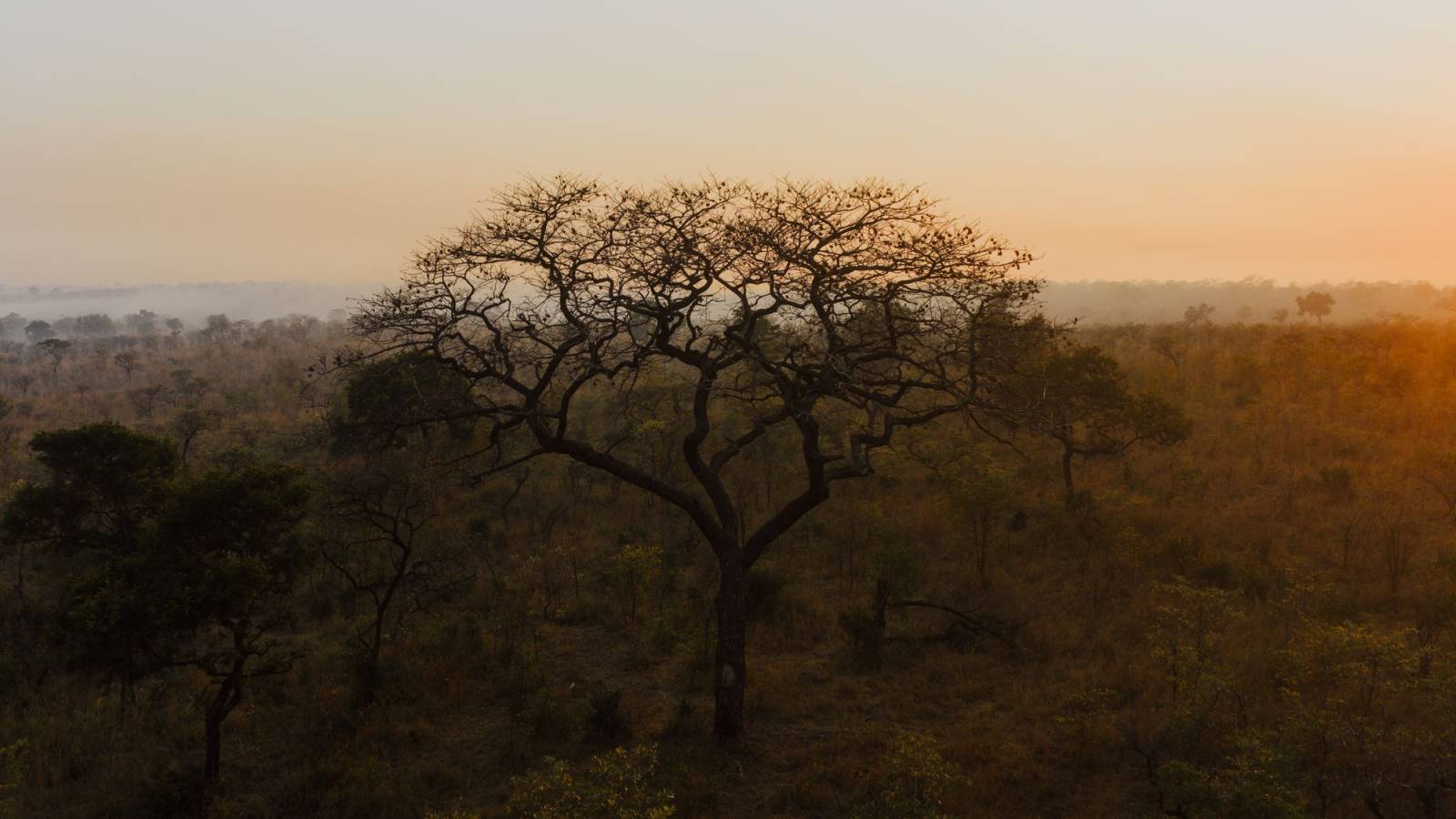
Tented camp · Northern Tanzania · 12 tents
Twelve tents on a rock, above the plains.
Kopje is a small, owner-run camp. Twelve tents, guides who grew up here, and a view that changes every hour until dark.
The camp
A small camp, run by the people who built it.
We kept it to twelve tents so every guest is known by name and every guide has time to stop the vehicle and wait.
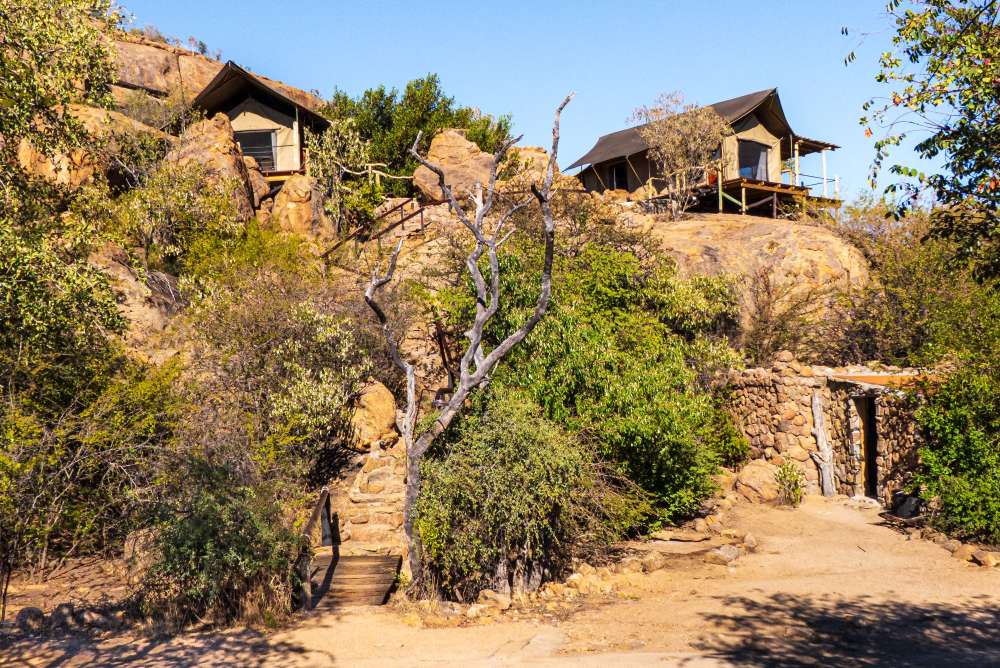
Kopje sits on a granite outcrop, which is where the name comes from. The tents are canvas on timber decks, set into the rock so that no two face the same way. There is no generator hum — the camp runs on solar — and the loudest thing at night is the bush.
- Tents
- 12, sleeping up to 24 guests
- Season
- Open all year except 1 April – 15 May
- Guiding
- One guide per four guests, always
- Access
- 25 minutes from our airstrip
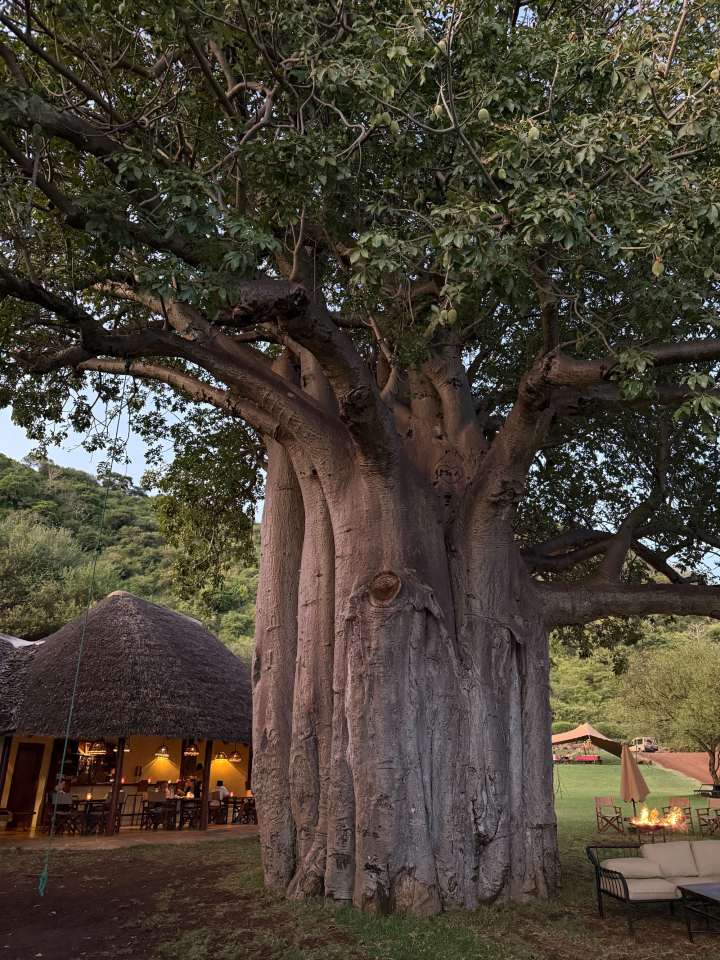
The stay
Three ways to sleep on the rock.
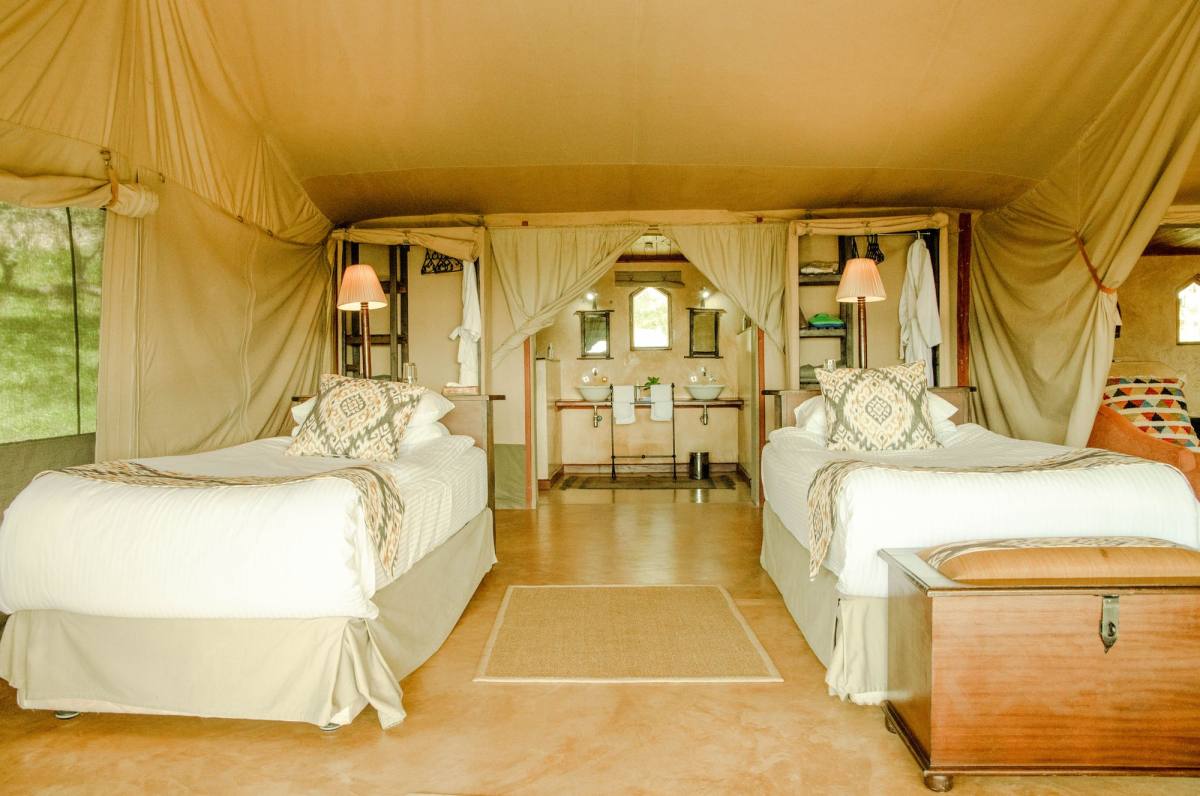
Rock Tent
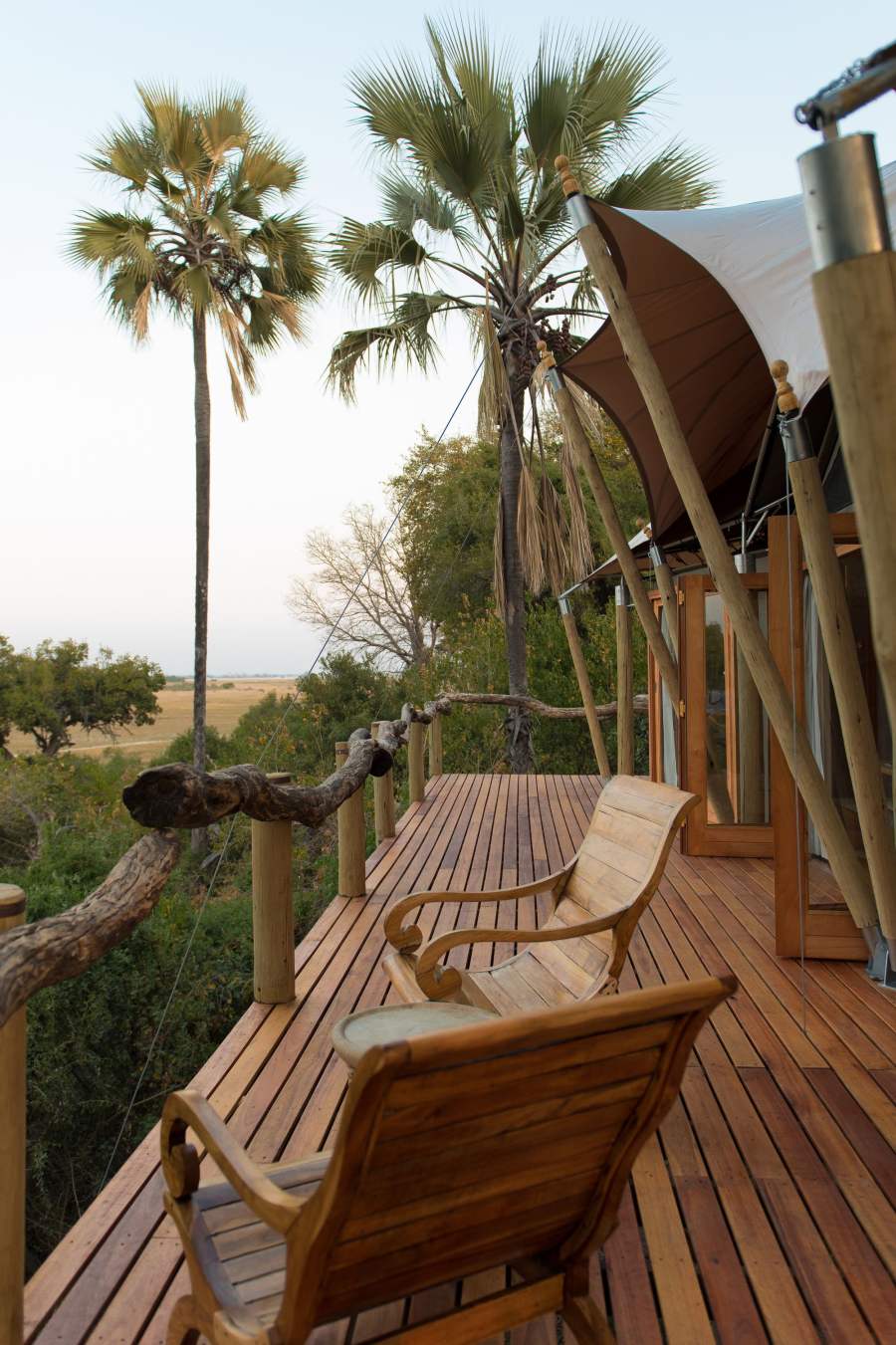
Ten tents for two. A king or twin bed, an outdoor deck facing the plains, an en-suite with a rain shower, and hot water heated by the sun.
From $395 per person, per night
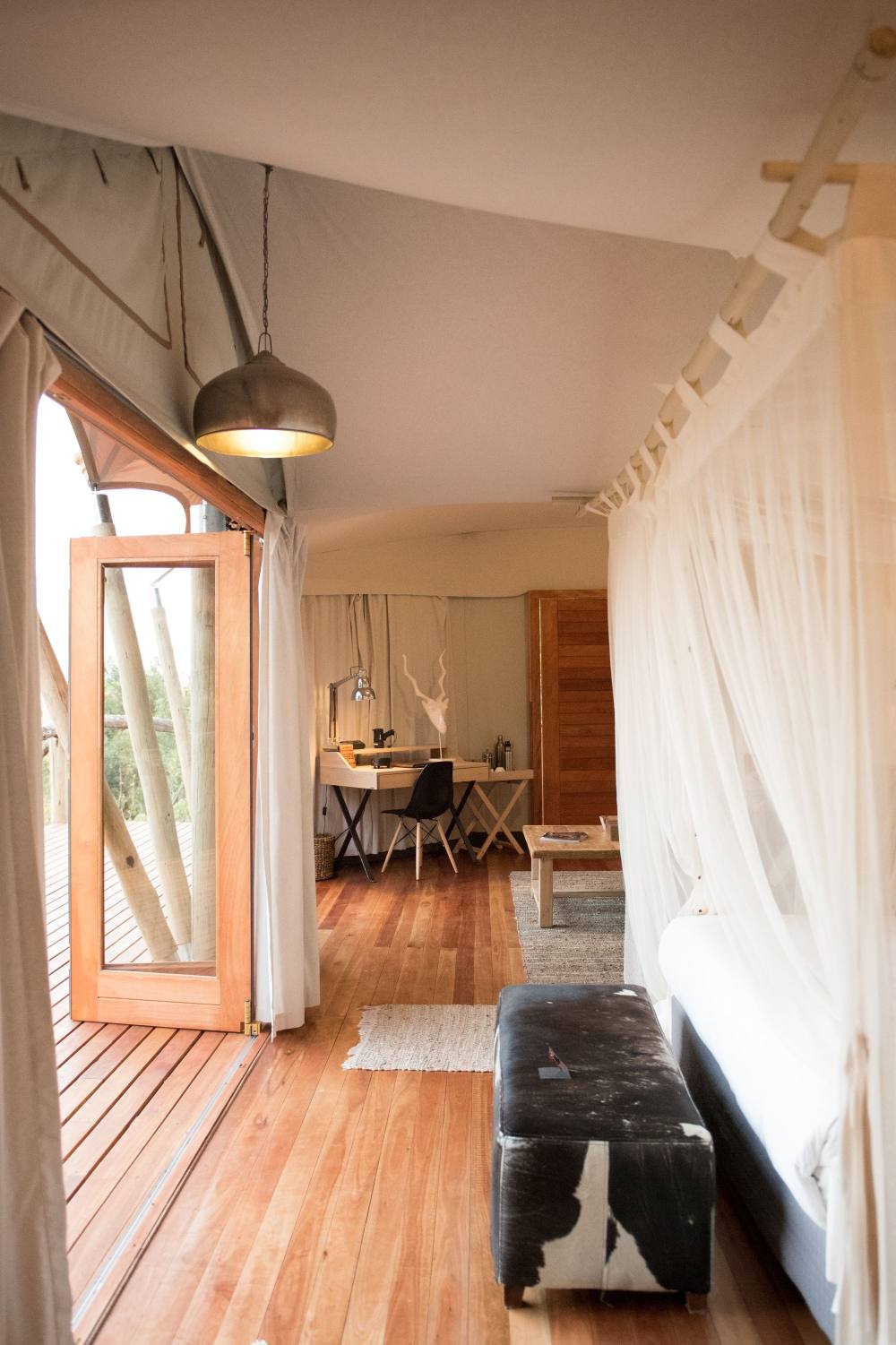
Family Tent
Two connecting canvas rooms sharing one deck, for a family of up to four. Children from six years are welcome, with their own guide on request.
From $395 per person, per night
Kopje Suite
The highest tent on the outcrop, with a private viewing deck and an outdoor bath. One only, so it books first.
From $515 per person, per night
The days
A day at Kopje, roughly.
Nothing is fixed. Your guide reads the animals, the weather and your energy, and the day moves around them.
05:30
Coffee on the deck
Tea, coffee and rusks brought to your tent while the plains turn from grey to gold.
06:00
Morning drive
Out in the cool, when the animals are moving. A stop for a bush breakfast wherever the morning takes you.
11:00
Brunch and rest
Back to camp for a long table, then shade, a book, or a nap through the heat.
16:00
Afternoon walk or drive
A guided walk on foot with an armed ranger, or a second drive, ending on a rise for sundowners.
19:30
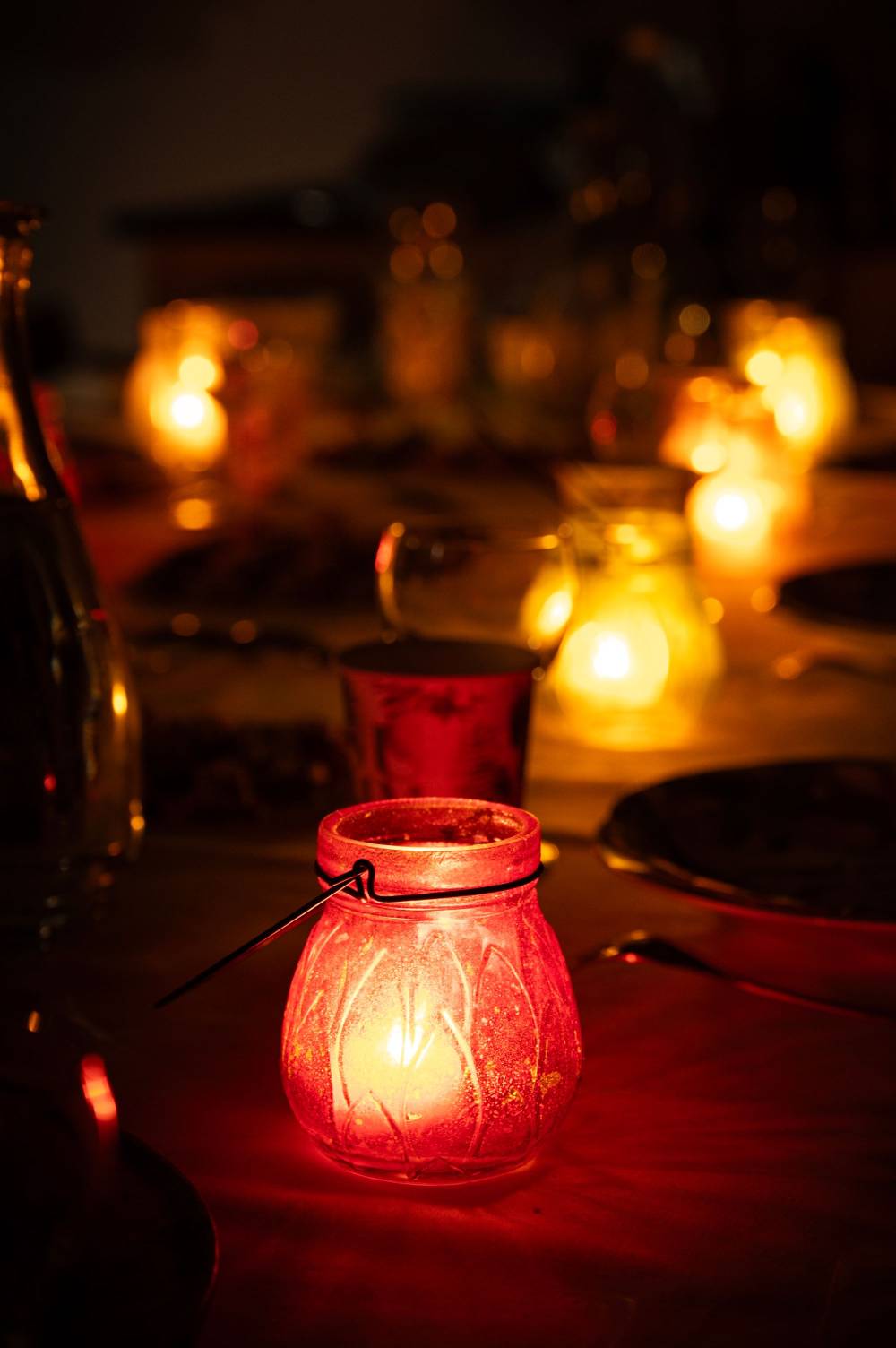
Dinner by lantern
Three courses at one shared table, or privately on your deck. Lanterns only.
Seasons and rates
Simple rates, in your currency.
| Season | Dates | Rate |
|---|---|---|
| Green season | 16 May – 30 Jun · 1 Nov – 20 Dec | $395 |
| Shoulder | 1 Jan – 31 Mar · 1 Sep – 31 Oct | $520 |
| Dry season peak | 1 Jul – 31 Aug · 21 Dec – 31 Dec | $690 |
Converted at indicative rates. The confirmed price is quoted in USD.
Getting here
The road in is part of it.
01
Fly to Kilimanjaro
International flights land at Kilimanjaro (JRO). We meet you, and help with the connection.
02
Fly to our airstrip
A scheduled or charter flight of about an hour. Luggage is limited to 15 kg in soft bags.
03
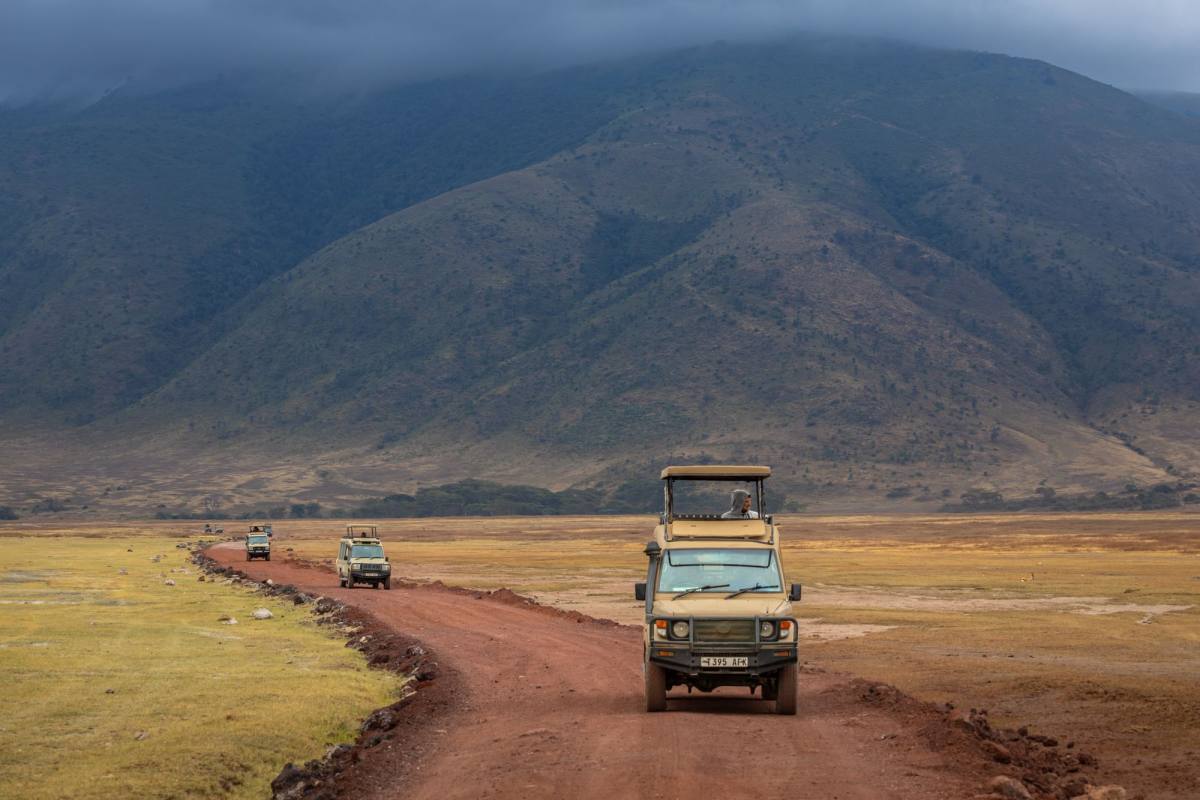
Drive to camp
Twenty-five minutes across the plains, with game on the way. Prefer the road? Allow about six hours from Arusha.
Responsible stay
What we actually do.
Specific practices, not slogans. Sample policy for this demo — replace with your own.
Solar, not diesel
Hot water and lighting run on solar. A small back-up generator is used only in an emergency.
Water treated on site
Greywater is filtered and returned to the ground. Drinking water is refilled from a tank, not bought in plastic.
Local hiring
Guides, chefs and managers are hired from nearby villages, with paid training and a route to senior roles.
A levy on every night
A fixed amount per guest per night goes to a community fund. The fund’s accounts are open to guests who ask.
Journal
From the camp.
-
Planning your first safari
Five decisions that matter more than the itinerary: season, length, group size, guide, pace.
-
First light on the outcrop
Why the morning drive leaves before the sun, and what we look for in the first hour.
Enquire
Tell us when, and roughly who.
We reply personally, usually within a few hours. No booking is made until you have a written quote.